Visit the Real Double R Diner from Twin Peaks

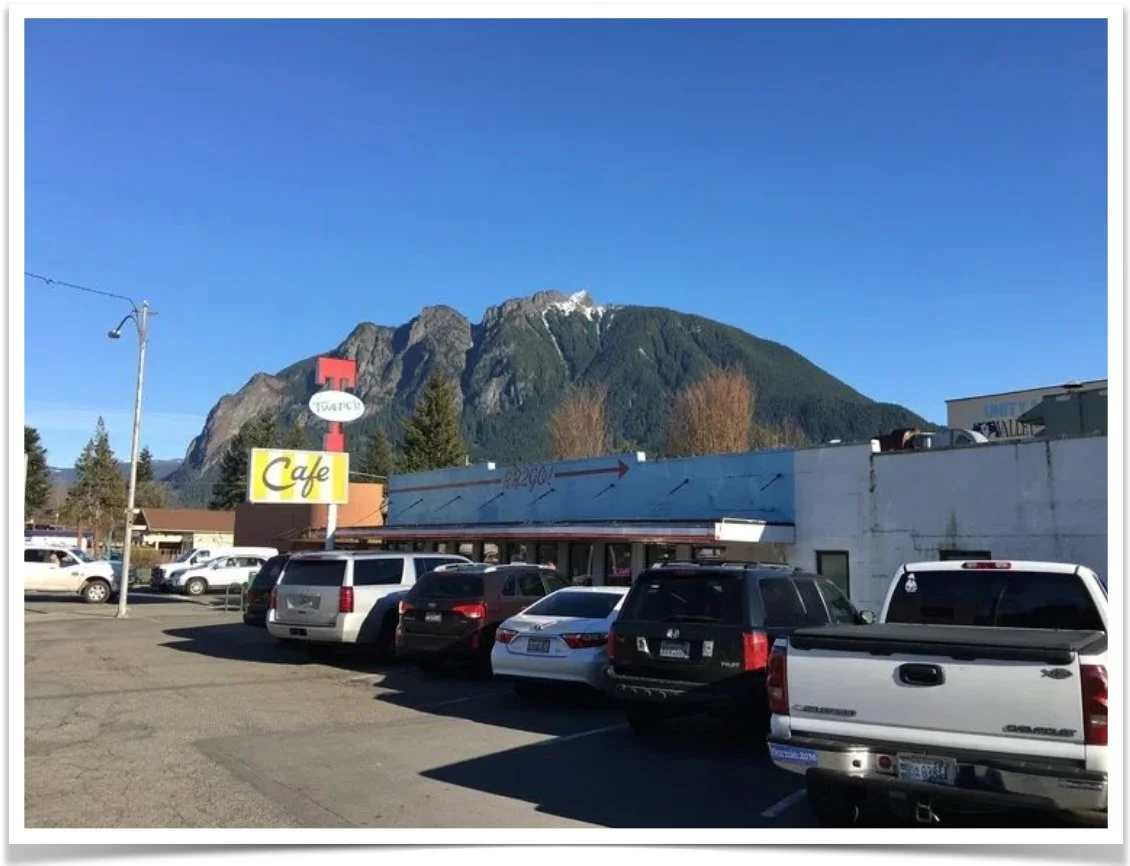
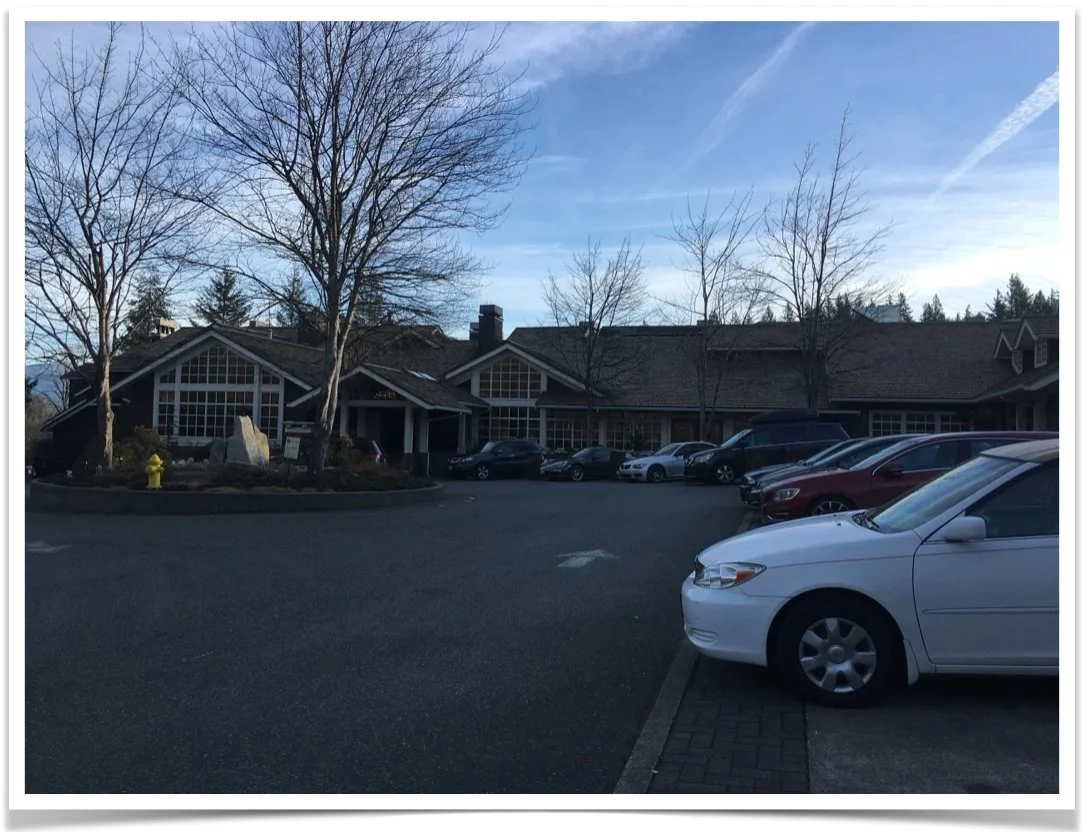
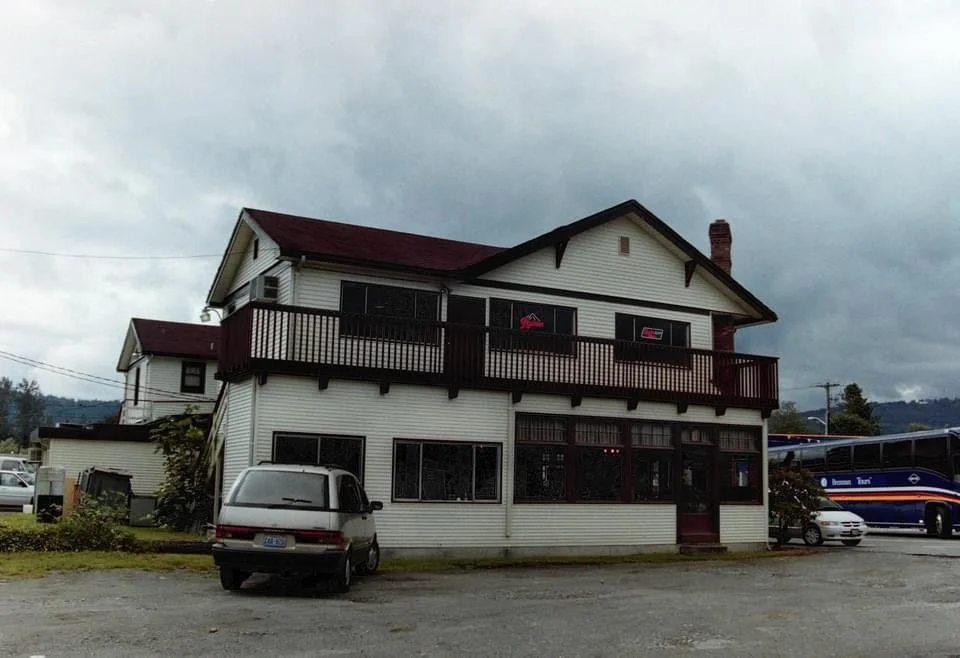
Twede's Cafe and Mount Si in North Bend, Washington

The first time I stopped at Twede's Cafe, it was raining.

Not a heavy storm.

Just the kind of steady Pacific Northwest rain that seems to hang around all morning without ever fully committing to becoming a downpour.

North Bend was quiet.

A few cars moved through town. The mountains were hidden behind low clouds. Everything looked gray in the way that only western Washington can look gray.

I remember sitting near the windows with a cup of coffee and realizing how normal everything felt.

People were having breakfast.

Servers were moving between tables.

Someone was reading a newspaper near the counter.

For a minute, it was easy to forget I was sitting inside one of the most recognizable locations in Twin Peaks.

And honestly, that's part of what makes the Double R different.

The diner was never supposed to feel extraordinary.

It wasn't hidden in the woods.

It wasn't mysterious.

It wasn't larger than life.

It was simply a place where people gathered.

A place where conversations happened over coffee.

A place where the town came together whether things were going well or not.

You realize pretty quickly that very little about that feeling has changed.

That's probably why the location still works so well after all these years.

It doesn't feel preserved.

It feels lived in.

The Real Double R Diner

Walking into Twede's Cafe, I expected to spend most of my time looking around.

Instead, I found myself watching the diner do what it has always done.

Locals were drinking coffee.

Breakfast orders were coming out of the kitchen.

Servers moved between tables while conversations drifted through the room.

People talked about work, the weather, and whatever happened to be going on in North Bend that day.

For a minute, it was easy to forget I was sitting inside the real Double R Diner from Twin Peaks.

And honestly, that's part of what makes it special.

The Double R was never supposed to feel extraordinary.

It wasn't the Black Lodge.

It wasn't the Great Northern.

It wasn't hidden deep in the woods somewhere.

It was a diner.

A place where people met before work. A place where conversations happened over coffee. A place where the town gathered when life was normal and when it wasn't.

That's exactly what Twede's Cafe still feels like today.

For longtime fans, the Double R is often one of the first places they want to see. But what surprised me the first time I stopped in was how little the experience felt like visiting a tourist attraction.

The booths are still there.

The counter is still there.

The mountains still rise behind North Bend the same way they do throughout the series.

And while Twin Peaks has become part of television history, Twede's still feels like a place built for the people who live here first.

Considering the diner was nearly lost after a fire in 2000, it's remarkable how naturally it still fits into the town today.

Maybe that's why it works so well.

It felt like a real place.

Because it was.

And more than thirty years later, it still is.

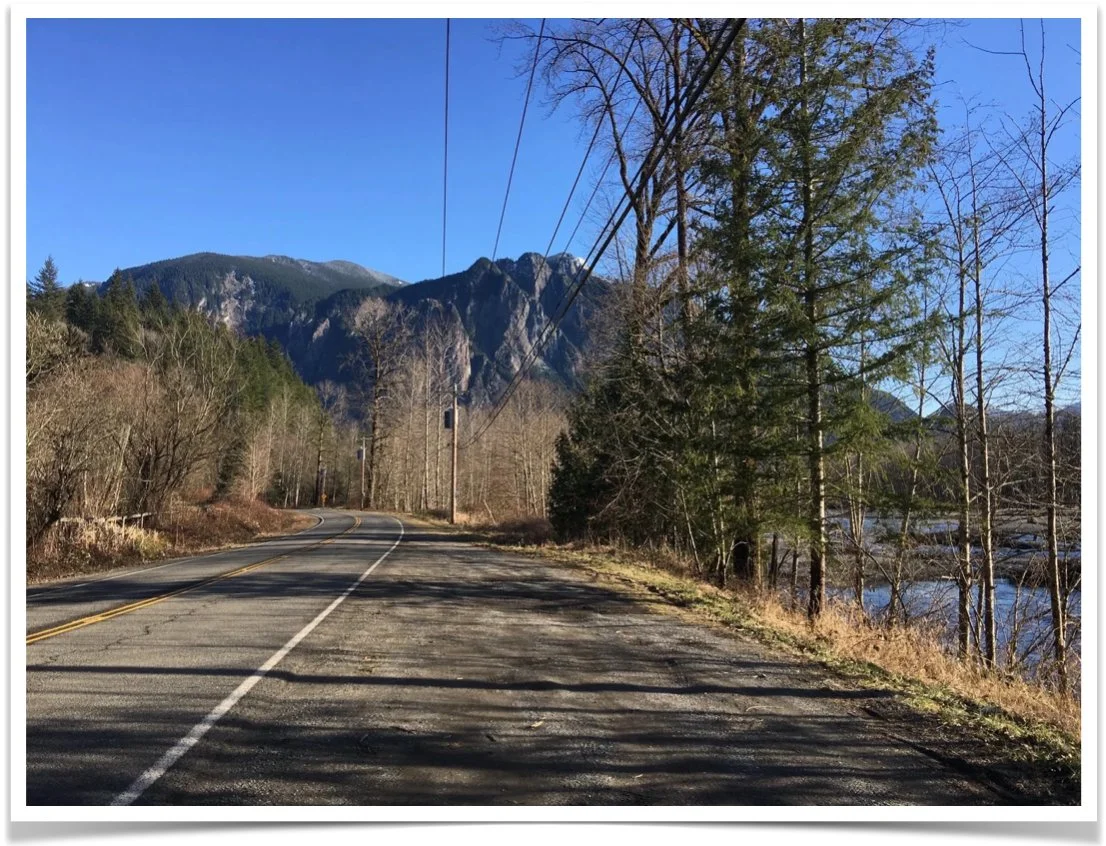
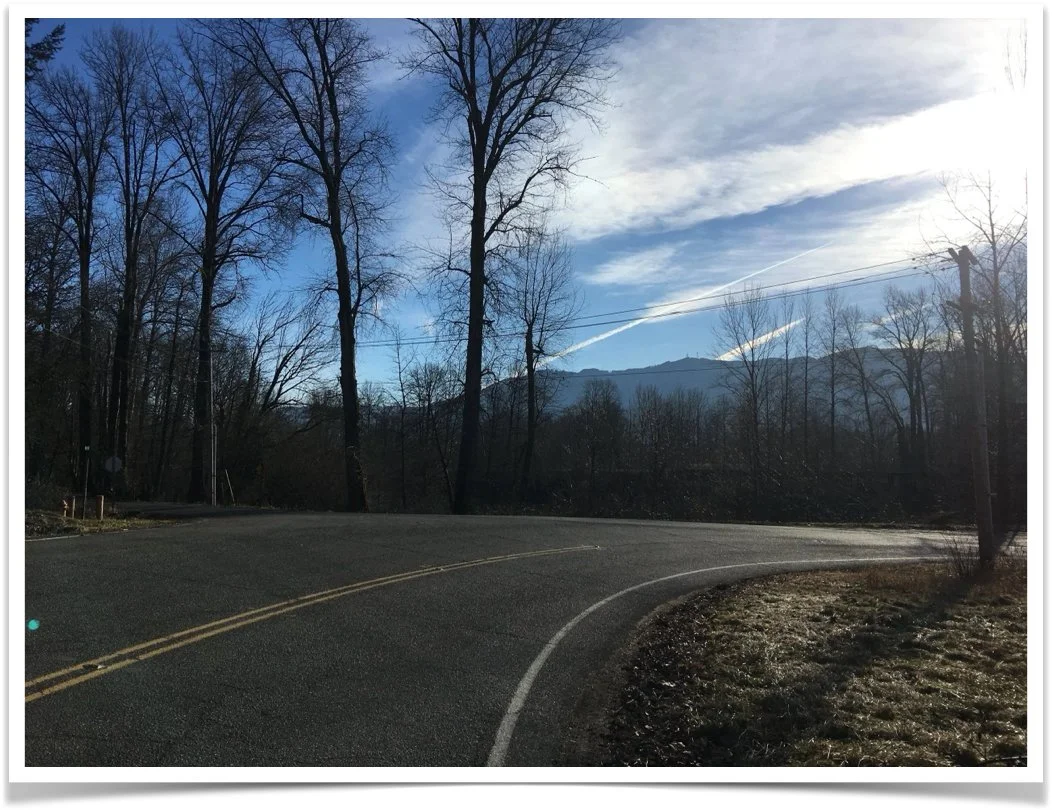
Scenic road through the Snoqualmie Valley near Twin Peaks filming locations

Why The Double R Became Iconic

One of the things that makes Twin Peaks different from most television shows is how much time it spends in ordinary places.

A lot of series build their identity around dramatic locations. Castles. Mansions. Skyscrapers. Places designed to impress you the moment they appear on screen.

Twin Peaks did something different.

It took places people already recognized and made them memorable.

The sheriff's station.

A gas station.

A hotel overlooking a waterfall. 

And a small-town diner serving coffee and pie.

The more time I've spent around North Bend and Snoqualmie, the more that choice makes sense.

This valley was never about famous landmarks.

It's the small places that stick with you.

The coffee shops.

The old buildings downtown.

The roads that disappear into the trees.

The kind of places people pass every day without thinking much about them.

Twin Peaks understood something that a lot of television shows miss.

Those places are often more interesting than the obvious ones.

The Double R became one of the most recognizable locations in the series because it wasn't just a backdrop. Some of the most important moments in the show happened here.

People met here when they needed answers.

They met here when they needed comfort.

Sometimes they were solving mysteries.

Sometimes they were simply sharing a meal.

The diner became one of the few places where nearly every corner of Twin Peaks eventually crossed paths.

Looking back, it's easy to see why fans connected with it so strongly.

Most people have a place like this somewhere in their own lives.

Maybe it's a diner.

Maybe it's a coffee shop.

Maybe it's a restaurant where everyone seems to know each other.

The details are different, but the feeling is recognizable.

Sitting inside Twede's Cafe, I found myself watching people come and go through the front door and realizing that very little about the place had changed. Visitors were taking photos, but locals were still stopping in for breakfast. Coffee was still being poured. Conversations were still happening in the booths.

Outside, North Bend was carrying on exactly as it always had.

That's the part Twin Peaks got right.

The Double R wasn't memorable because it felt larger than life.

It was memorable because people recognized something of their own lives in it.

Even now, on a gray morning when the clouds settle low over the mountains and the valley grows quiet, it's easy to see why this place worked so well on screen.

The atmosphere wasn't created for the show.

It was already here.

What Fans Notice When They Walk In 

The strange thing about visiting Twede's Cafe is that there isn't one specific moment when it suddenly becomes Twin Peaks.

It's a collection of small things.

The booths along the windows.

The counter seating.

The sound of dishes coming from the kitchen.

The way conversations drift through the room without anybody seeming in much of a hurry.

Most fans probably expect to spend their time looking for familiar angles from the show.

Instead, I found myself paying attention to everything else.

The view through the front windows.

The steady flow of people coming and going.

The way the diner felt when the morning crowd settled into conversations over coffee.

Every few minutes something would catch my attention.

A corner of the room.

A reflection in the glass.

A view that felt strangely familiar even when I couldn't immediately place it.

That's what surprised me most.

The diner doesn't overwhelm you with nostalgia the moment you walk through the door.

It happens gradually.

You start noticing details you've seen countless times before without realizing how deeply they've become connected to the series.

Then at some point, usually when you're not thinking about it, the connection clicks.

Not because you're standing on a filming location.

Because you're sitting in a place that still feels remarkably close to the version people remember from the show.

The more time you spend there, the easier it becomes to understand why so many fans consider the Double R one of the most memorable stops in the Snoqualmie Valley.

Not because it's dramatic.

Because it feels exactly the way people hope it will.

Coffee, Pie, and Small-Town Conversations

One of the things I remember most about Twede's has nothing to do with Twin Peaks.

It was the pace of the place.

Nobody seemed to be in much of a hurry.

People lingered over breakfast.

Conversations stretched longer than they needed to.

Coffee cups were refilled and left sitting on tables while people talked.

It reminded me of something Twin Peaks understood better than most television shows.

Small towns move differently.

Especially in places like North Bend.

Life isn't always measured by schedules and deadlines. Sometimes it's measured by conversations. Familiar faces. The places people return to week after week without thinking much about it.

The Double R wasn't important because of the coffee or the pie.

It was important because it gave people a place to gather.

A place where Norma and Ed could sit and talk after work.

A place where Bobby Briggs and Shelly Johnson drifted in and out between the ups and downs of their lives.

A place to catch up on local news.

A place to share rumors.

A place to work through problems with friends over another cup of coffee.

That's part of what made the diner feel so believable in the series.

The writers understood that every small town has places like this.

Places where people naturally drift together.

Places where stories are shared long before they ever become stories.

Looking around Twede's today, that feeling is still there.

Visitors stop in because of Twin Peaks.

Locals stop in because it's Tuesday morning.

And somehow both fit together perfectly.

The longer you sit there, the easier it becomes to understand why the diner became such an important part of the series.

Not because it was extraordinary.

Because it wasn't.

It felt like a place where life was happening whether the cameras were there or not.

Why North Bend Still Feels Like Twin Peaks

The first time I visited Twede's Cafe, I spent more time in North Bend than I originally planned.

I think that happens to a lot of people.

You stop for breakfast, take a few photos, and expect to move on to the next filming location.

Instead, you find yourself wandering through town for a while.

Part of that comes from the landscape.

The mountains feel close here.

On clear days, they're impossible to ignore. On gray days, they disappear behind low clouds and leave the valley feeling completely different from one hour to the next.

The weather changes quickly.

The light changes quickly.

The atmosphere changes with it.

That's one of the things Twin Peaks captured so well.

The Pacific Northwest wasn't just a backdrop for the series. It helped shape the personality of the town itself.

Spend enough time around North Bend and Snoqualmie and you start noticing how much of that atmosphere still exists.

The roads still wind through dense stands of evergreens.

Morning fog still settles into low spots throughout the valley.

Rain still darkens the pavement and fills the air with the smell of cedar and wet earth.

For visitors, those are often the moments that feel most familiar.

The funny thing is that locals don't spend much time talking about how much the valley looks like Twin Peaks.

Around here, fog hanging in the trees or mountains disappearing behind low clouds is just another day.

Visitors notice it immediately.

People who live here hardly think about it.

That's probably part of why the atmosphere feels so genuine. It isn't something the valley performs. It's simply everyday life.

Some places feel dramatically different from season to season.

This area somehow feels unmistakably like the Pacific Northwest year-round.

The version of Twin Peaks that most people remember wasn't created entirely by cameras, lighting, or production design.

A lot of it came from the landscape.

The mountains.

The forests.

The rivers.

The weather.

The quiet moments in between.

That's part of what makes visiting this area feel different from visiting many other filming locations.

You aren't just looking at places from a television show.

You're experiencing the environment that helped create the show in the first place.

And once you start noticing that, it's difficult not to see Twin Peaks everywhere you go in the valley.
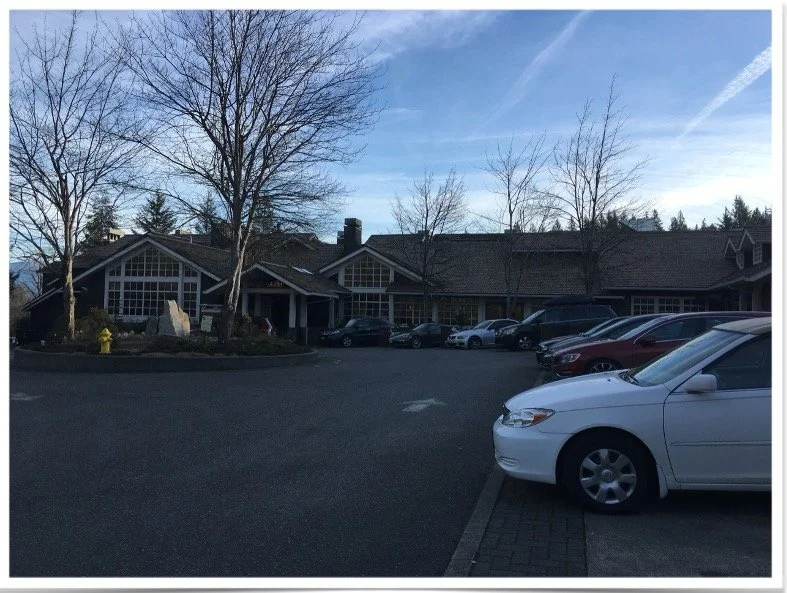
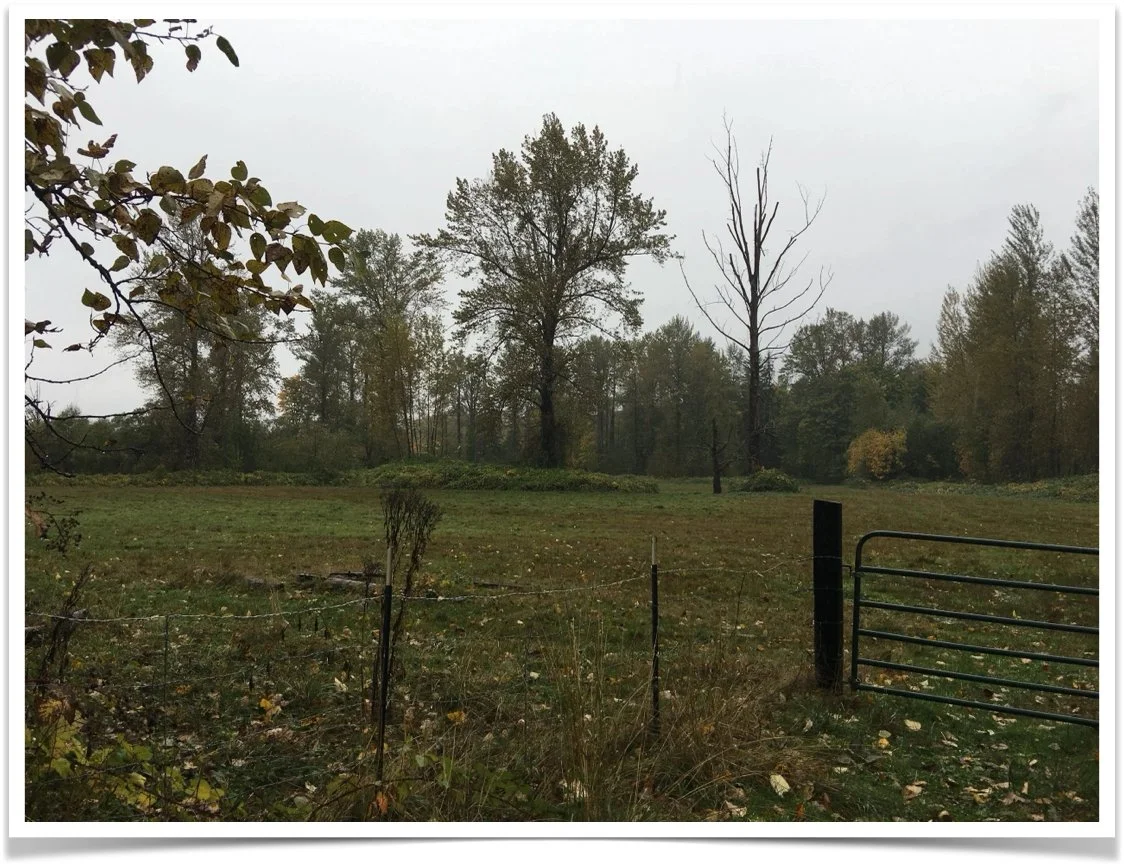
Richard's Field, one of the quieter locations associated with Twin Peaks

The Heart of Twin Peaks Country

The funny thing about visiting the Double R is that it rarely ends there.

Most people arrive with a specific destination in mind.

They want to see the diner.

Take a few photos.

Maybe have breakfast.

Then they step back outside and realize they're standing in the middle of Twin Peaks country.

The mountains are still there.

The forests are still there.

The valley stretches out in every direction.

The first time I visited, that was what surprised me most.

Not the diner itself.

The valley.

Everything felt closer than I expected.

For years, these places existed separately in my mind. The Great Northern. Ronette's Bridge. The Sheriff's Department. Forest roads winding through the trees. After spending time at the diner, I found myself thinking back to my visit to Snoqualmie Falls and The Great Northern Hotel and realizing how closely all of these locations connect once you're standing in the valley.

Then suddenly they were connected by a short drive down the road.

You begin to understand something that isn't obvious when you're watching the series.

Twin Peaks wasn't built around a single location.

It was built around an entire landscape.

The rivers.

The forests.

The mountains.

The small towns scattered throughout the valley.

The roads that still feel a little quieter than they should.

The atmosphere that made Twin Peaks feel different is still here if you slow down long enough to notice it.

That's why so many fans eventually find themselves exploring beyond the diner.

One location leads naturally to the next.

A bridge becomes a waterfall.

A waterfall becomes a hotel.

A familiar road turns into another scene you've seen dozens of times before.

Before long, you're not really checking filming locations off a list anymore.

You're experiencing the places that helped create the world of Twin Peaks.

That's one of the reasons so many fans choose to explore the valley with Twin Peaks Tour.

The locations are only part of the story.

The history behind them, the production details, and the connections between places add a layer that most visitors never discover on their own.

By the end of the day, you're not just looking at filming locations.

You're seeing how a fictional town grew out of real places that still exist today.

And for a lot of fans, that journey begins right here.

With a cup of coffee.

A booth by the window.

And a diner that still feels exactly where it belongs.

Visit the Real Great Northern Hotel from Twin Peaks

Salish Lodge & Spa, the real Great Northern Hotel from Twin Peaks

Some filming locations feel smaller in person.

The Great Northern doesn’t.

The first time I visited Salish Lodge & Spa, the entire area was covered in fog. There were only a handful of people standing near the railing above Snoqualmie Falls and you could barely see the top of the water through the mist.

You could hear it though.

That constant sound of rushing water somewhere behind the trees.For a minute, it honestly didn’t feel real.

Not because it looked exactly like the show. It does. But that wasn’t really it.

It had the same strange familiarity Twin Peaks itself still has. Like you already know the place somehow before you ever arrive there.

I think most longtime fans understand that feeling immediately.

Because the Great Northern was never just a hotel in the series. It was part of the emotional center of the town. Warm light through windows. Wood-paneled hallways. Coffee late at night while rain hit the trees outside.

Comfort with something slightly off underneath it.

And honestly, that feeling still exists here.

Maybe that’s part of why the Pacific Northwest worked so perfectly for the show in the first place. Around here, fog moving through the trees in the middle of the afternoon doesn’t feel unusual at all. Neither does the silence you get in places like this once the crowds disappear.

The landscape already feels like Twin Peaks before you even start looking for filming locations.

The Real Great Northern

The exterior shots of the Great Northern Hotel were filmed at Salish Lodge & Spa, sitting directly above Snoqualmie Falls about thirty miles east of Seattle.

What surprised me the first time I visited was how little the atmosphere had changed.

A lot of famous filming locations feel smaller once you finally see them in person. Or busier. Sometimes they barely resemble the thing people fell in love with in the first place.

This place somehow escaped that.

Especially during the colder months.

The Pacific Northwest weather does a lot of the work here. Fog hanging low through the trees. Wet pavement. The smell of cedar after rain. Cold air coming off the falls.

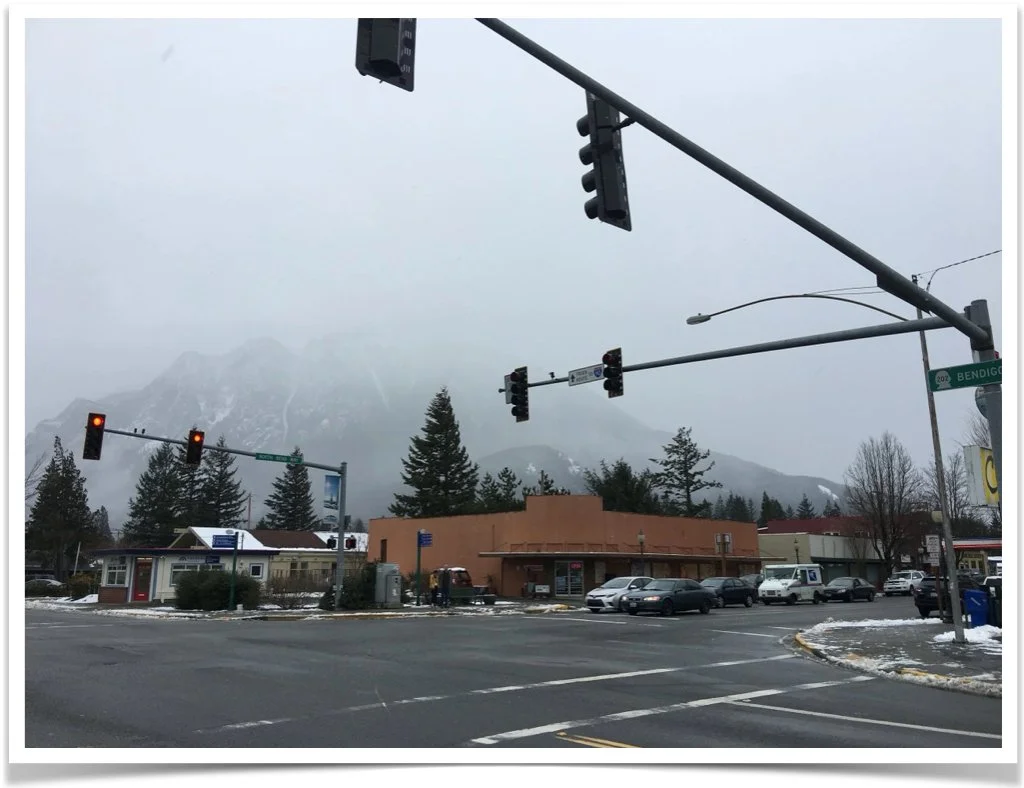
The famous Twin Peaks traffic light in North Bend, Washington

That’s the version of Twin Peaks most fans are really looking for whether they realize it or not.

People from outside the Northwest sometimes expect the show exaggerated the atmosphere of these places a little.

It really didn’t.

On gray mornings, especially in late fall, the line between the real location and the world of the series starts feeling strangely thin. You can stand near the lodge with the fog moving through the trees and completely understand why Lynch and Frost chose this area.

The landscape already feels cinematic before a camera ever shows up.

One thing that always comes back to me here is the pilot episode. Not even a specific scene exactly. More the feeling of those early episodes. Cooper arriving in town. Everything still feeling quiet and almost comforting before the darkness underneath Twin Peaks fully reveals itself.

That version of the town still feels close here somehow.

Something Most Fans Don’t Realize

One thing a lot of fans don’t catch the first time through the series is that the Great Northern is actually made up of two different locations.

The exterior is Salish Lodge & Spa.

But many of the interior scenes were filmed at Kiana Lodge, whose dark wood interiors helped define the feeling of the hotel throughout the series.

Once you know that, it becomes difficult not to notice on rewatches.

There’s something slightly disorienting about the Great Northern in the show. The inside and outside never completely feel connected in a normal way. The hotel feels larger in some scenes than it should. Warmer in certain moments. Almost isolated from the rest of the town.

Honestly, splitting the filming locations may have accidentally helped create some of that dreamlike feeling people still associate with the series.

And somehow that makes the Great Northern feel even more Twin Peaks.

Not entirely real. But not completely unreal either.

Why This Location Still Hits So Hard for Fans

Watching Twin Peaks after visiting the real Great Northern changes the series a little.

You start noticing small things that barely registered before. The sound of water outside the hotel scenes. The way Cooper lingers near the windows. The contrast between the warmth inside the lodge and the feeling that something darker is slowly moving through the town around it.

The Great Northern feels safe at first.

That’s part of what makes it memorable.

Everything about it feels comforting when you first arrive there in the series. Wood interiors. Fireplace light. Coffee. Soft jazz drifting through the lobby.

Then little by little, something starts feeling wrong.

That contrast exists everywhere in Twin Peaks. Cozy places carrying strange energy underneath them. Familiar places that slowly become unsettling the longer you stay there.

And standing here in person, you realize how much of that feeling came from the real landscape itself.

The fog. The forests. The constant sound of the falls somewhere nearby. Even the gray light in the afternoons feels familiar if you’ve spent enough time with the show.

Maybe that’s why fans keep coming back here after all these years.

Not just because it was filmed here.

Because the atmosphere still feels untouched somehow.

What Hardcore Fans Notice

The strange thing about visiting the Great Northern is how quiet the area can feel even with the sound of the falls constantly in the background.

A lot of people expect it to feel more crowded or commercial once they finally get there. But if you go early in the morning, especially during the colder months, the whole area can feel surprisingly isolated.

The first time I visited, there were long stretches where all you could really hear was the water and the wind moving through the trees.

That quiet feels familiar too.

You start realizing pretty quickly that Twin Peaks didn’t just use these locations because they looked good on camera. The atmosphere was already here. The stillness. The fog. The way the woods go dark earlier than you expect once the weather turns. The feeling that something strange could exist just beyond the edge of the woods.

Around here, that mood doesn’t feel manufactured.

It just feels like the Pacific Northwest.

Quiet road through the Snoqualmie Valley near Twin Peaks filming locations


The Beginning of Twin Peaks Country

For a lot of fans visiting the Pacific Northwest for the first time, this is the moment Twin Peaks finally stops feeling like a television show and starts feeling like a real place.

Not during a rewatch.

Not in screenshots.

Here.

Standing above Snoqualmie Falls with cold air coming off the water. Smelling wet cedar after the rain. Watching the trees disappear into fog behind Salish Lodge & Spa.

Something about it feels strangely intact.

That’s probably the best way to describe Twin Peaks country when you finally experience it in person. The atmosphere that made the series feel so different in 1990 is still here. The roads still feel quiet. The forests still feel enormous. Gray afternoons still settle over the valley the same way they do in the show.

Most fans visit the Great Northern first.

Then they start realizing how much of the series is still scattered throughout the Snoqualmie Valley.

The Double R.

Ronette’s bridge.

The traffic light still hanging over the intersection in North Bend.

Sparkwood & 21.

The Sheriff’s Department sitting against the mountains.

Forest locations that still feel frozen somewhere between the real world and the series itself.

Roads through the valley that still feel strangely untouched once the weather turns.

That’s usually the moment people stop thinking about Twin Peaks as a filming location trip and start wanting to experience the town as a whole.

Exploring those places with Twin Peaks Tour changes the experience completely because you’re not just looking at locations anymore. You’re hearing the stories behind them. The production history. The strange little details longtime fans still notice after countless rewatches.

The deeper you get into Twin Peaks country, the more the world of the show starts feeling strangely real for a little while.

And honestly, that feeling stays with people.