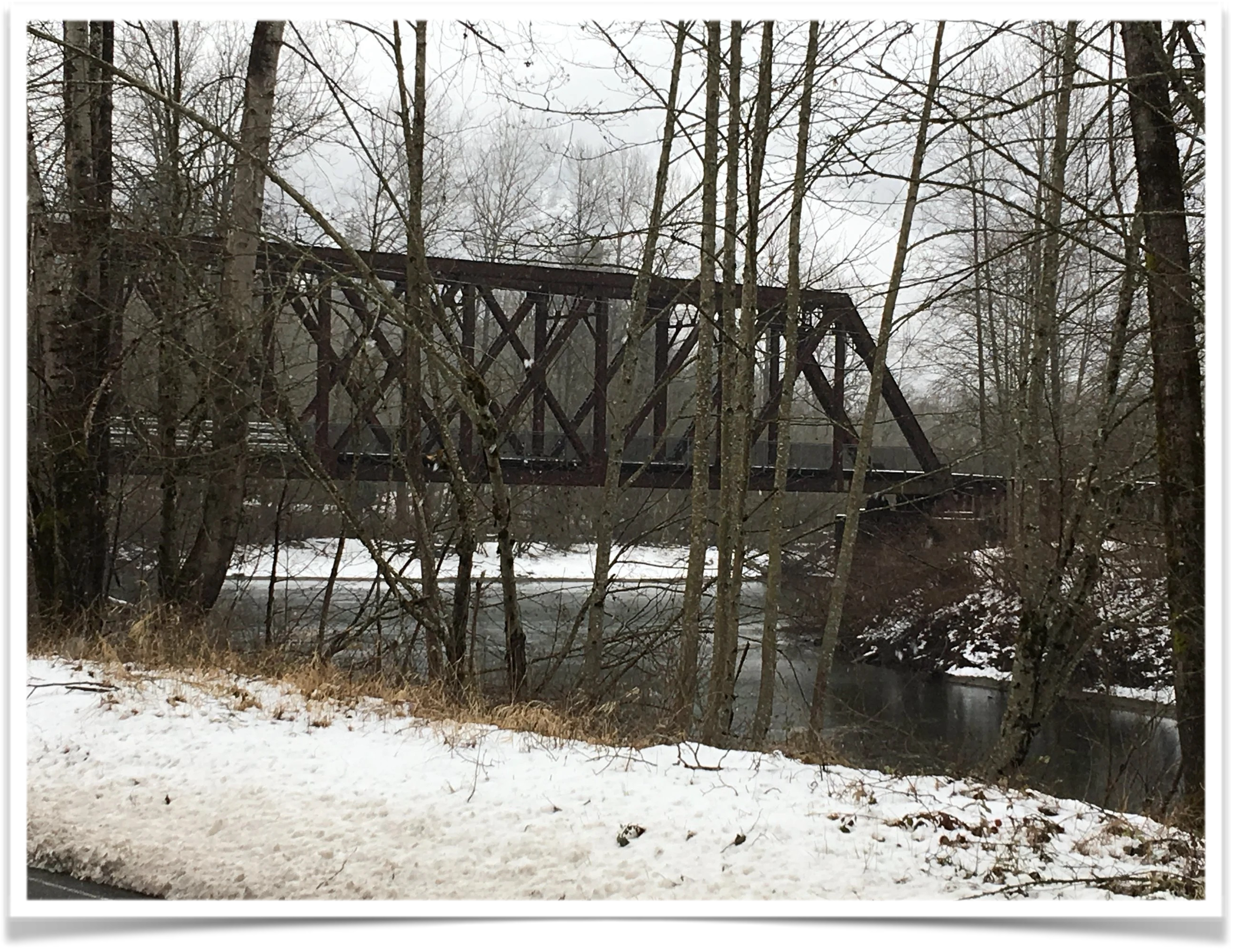
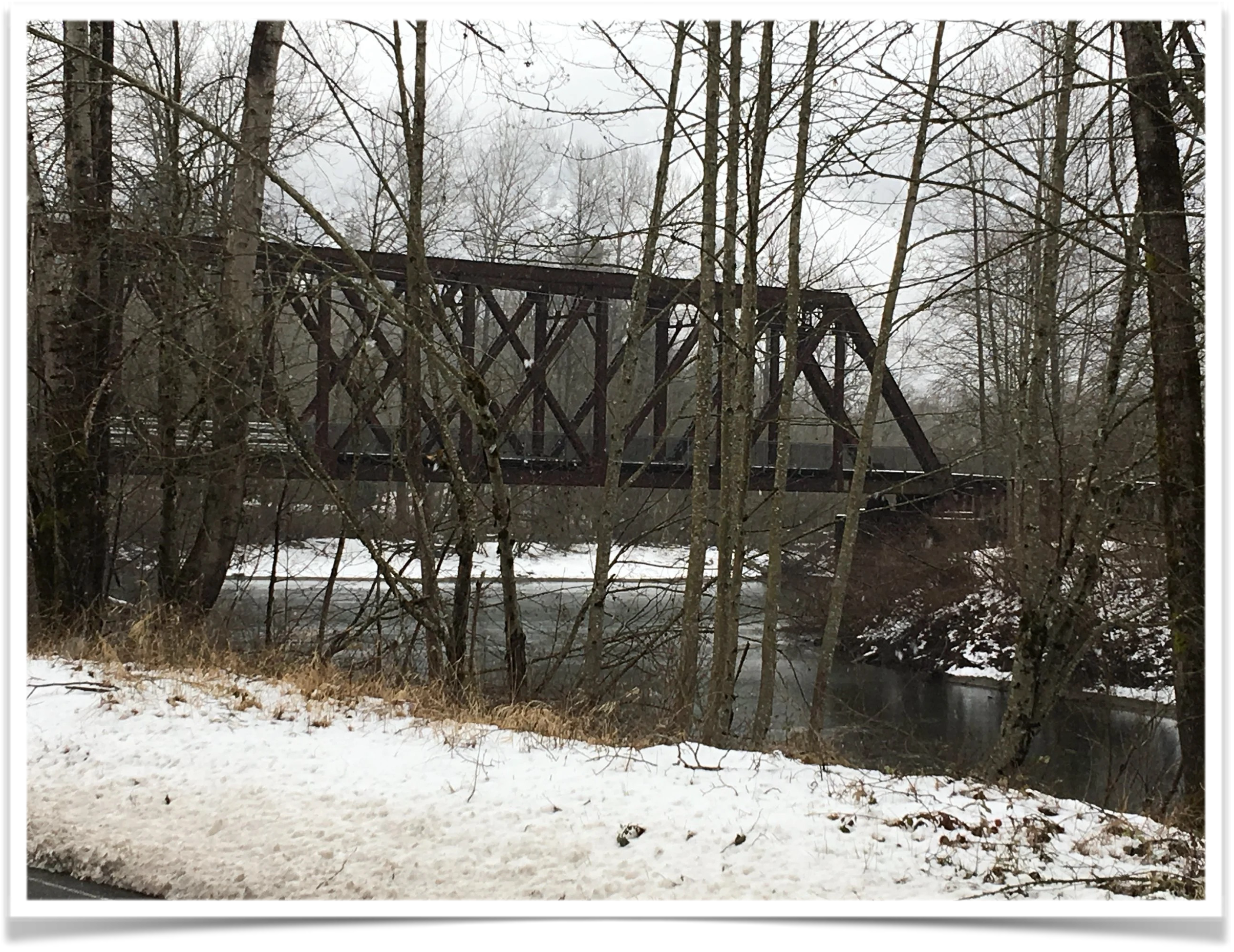
There are some Twin Peaks filming locations that feel almost welcoming. Snoqualmie Falls and the Great Northern Hotel have that effect. Twede's Cafe feels familiar the moment you walk through the door.
Ronette's Bridge is different.
The first thing that struck me wasn't the bridge itself.
It was how quiet everything was.
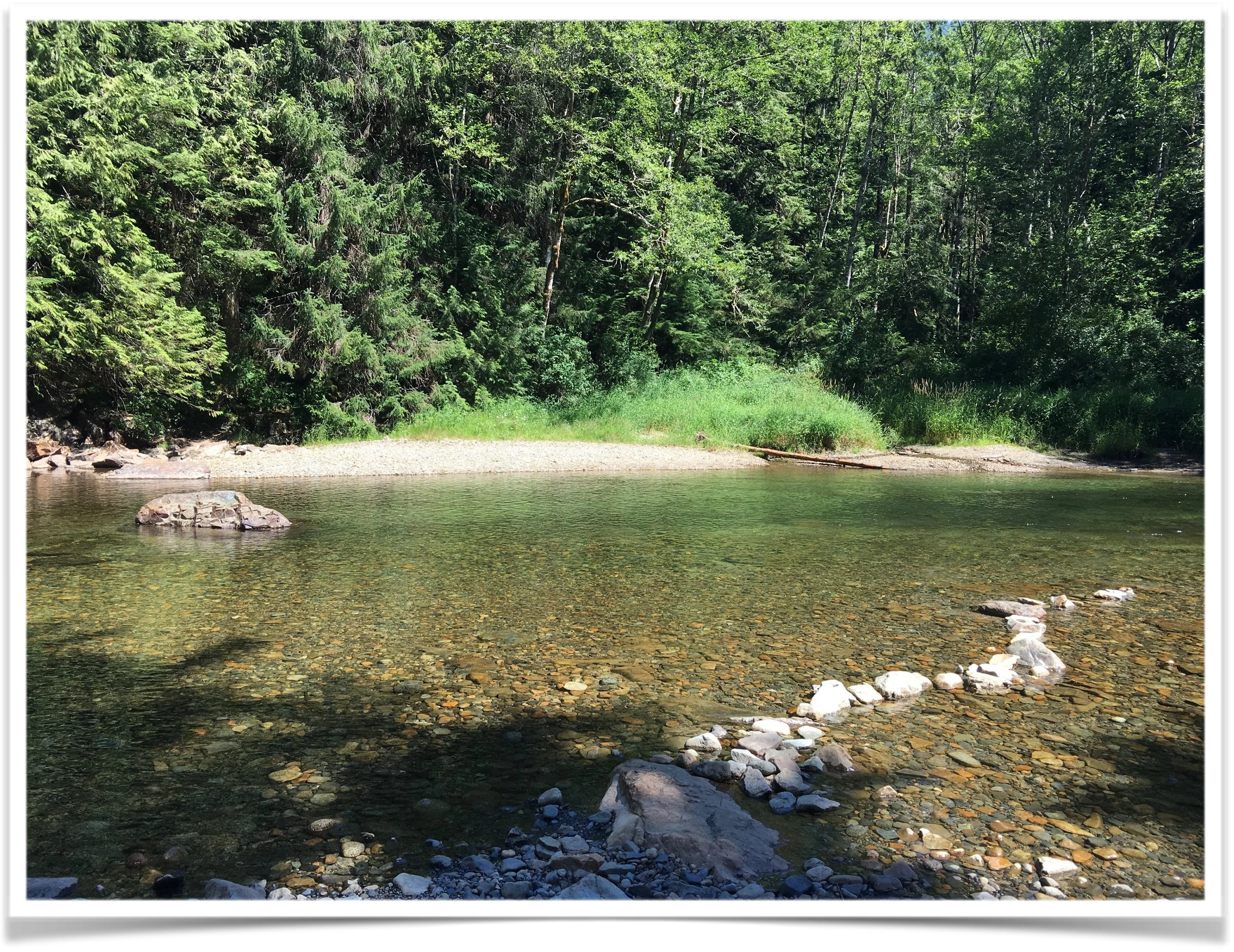
Standing among the evergreens and listening to the Snoqualmie River below, it was hard to believe that one of the most haunting moments in Twin Peaks was filmed in such a peaceful setting. There are no crowds, no gift shops, and nothing that feels like a movie set.
Just an old railroad bridge hidden in the woods and the quiet sounds of the valley.
Maybe that's part of what makes visiting Ronette's Bridge such a memorable experience.
For longtime fans, Ronette's Bridge isn't simply another Twin Peaks filming location. It's one of those rare places where the line between the series and the real Snoqualmie Valley begins to blur.
Decades after the show first aired, the bridge still feels strangely familiar.
Even on a quiet afternoon, there is something about the place that feels different.
Maybe it's the isolation.
Maybe it's the years of association with the series.
Or maybe some places simply hold onto their stories.
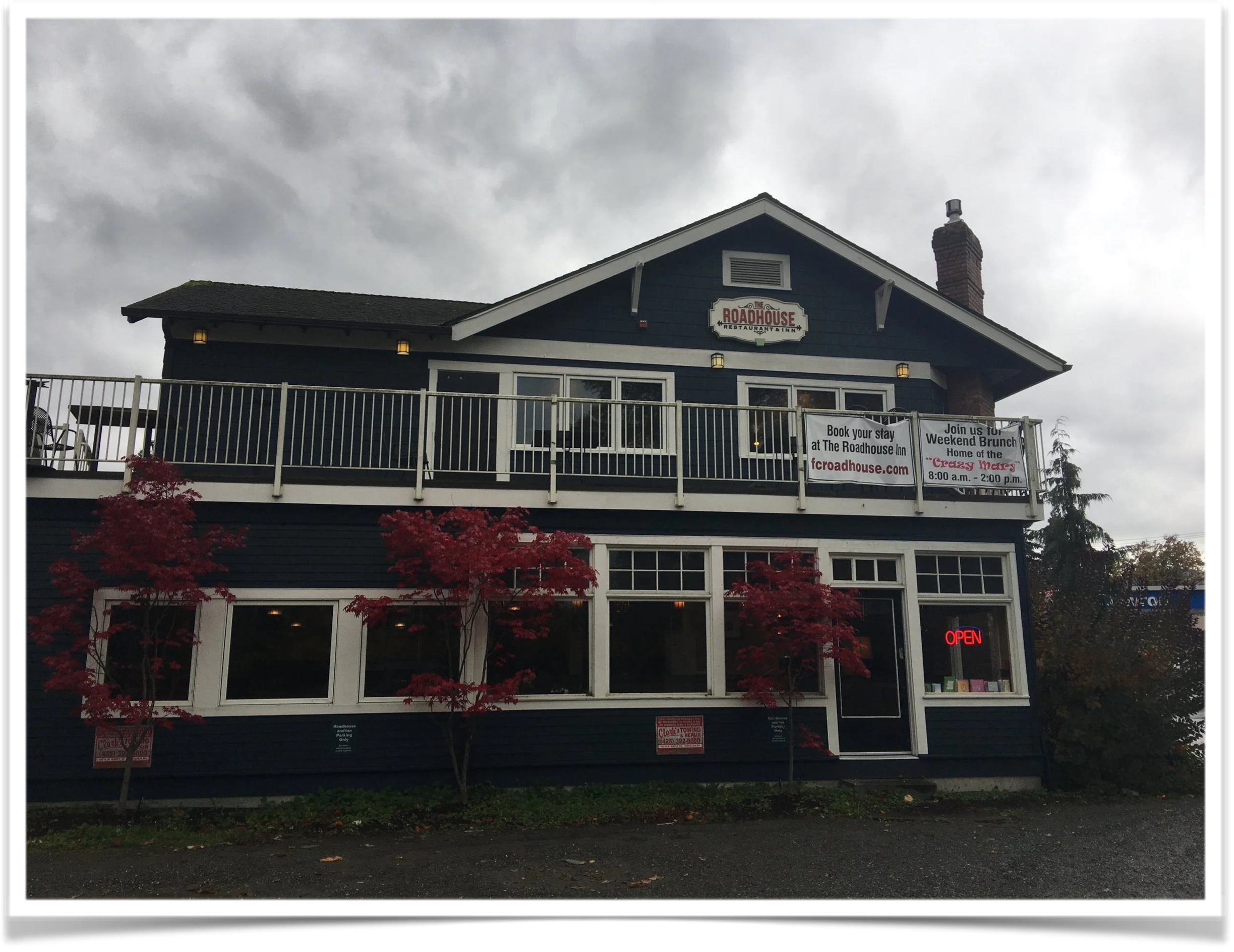
Some Places Become Part of the Story
There are certain places in Twin Peaks that fans can never completely separate from the story.
The Great Northern Hotel. The Roadhouse. Laura Palmer's house. Even the Welcome to Twin Peaks sign.
Over the years, those locations became far more than settings. They became part of the identity of the series itself.
Ronette's Bridge belongs in that company.
Long before I ever visited the bridge, I already knew it from the show.
Like many fans, I could picture the weathered timbers and the tracks disappearing into the trees without needing to see them again.
Some Twin Peaks filming locations are remembered because they're beautiful. Ronette's Bridge became unforgettable for entirely different reasons.
What has always fascinated me is how deeply certain places become connected to the stories we associate with them.
To someone passing through, Ronette's Bridge is simply an old railroad bridge.
But for Twin Peaks fans, it's impossible to look at it without bringing decades of memories along with you.
That's part of what made Twin Peaks so extraordinary.
Twede's Cafe became iconic. The Great Northern Hotel became mysterious. Laura Palmer's house became unforgettable.
And an old railroad bridge hidden in the woods became one of the most memorable stops for fans exploring the Twin Peaks filming locations of the Snoqualmie Valley.
Decades after the series first aired, Ronette's Bridge still carries that weight.
Some places are famous because they're impressive.
Others are remembered because they become part of the story.
Ronette's Bridge became both.
A Bridge Hidden in the Woods
One of the things that surprised me most when I first visited Ronette's Bridge was how easy it would be to miss.
If you didn't know exactly what you were looking for, you could drive through the area without ever realizing that one of the most memorable Twin Peaks filming locations was sitting just beyond the trees.
There are no elaborate entrances or signs announcing that you've arrived. In many ways, the bridge feels more like a forgotten piece of railroad history than a destination visited by fans from around the world.
And maybe that's part of its appeal.
In a world where so many famous locations become attractions, Ronette's Bridge still feels remarkably unchanged. There are no themed exhibits, gift shops, or crowds waiting to take photographs. Nothing about the experience feels manufactured.
Decades later, it remains a place rather than a destination.
And perhaps that's fitting.
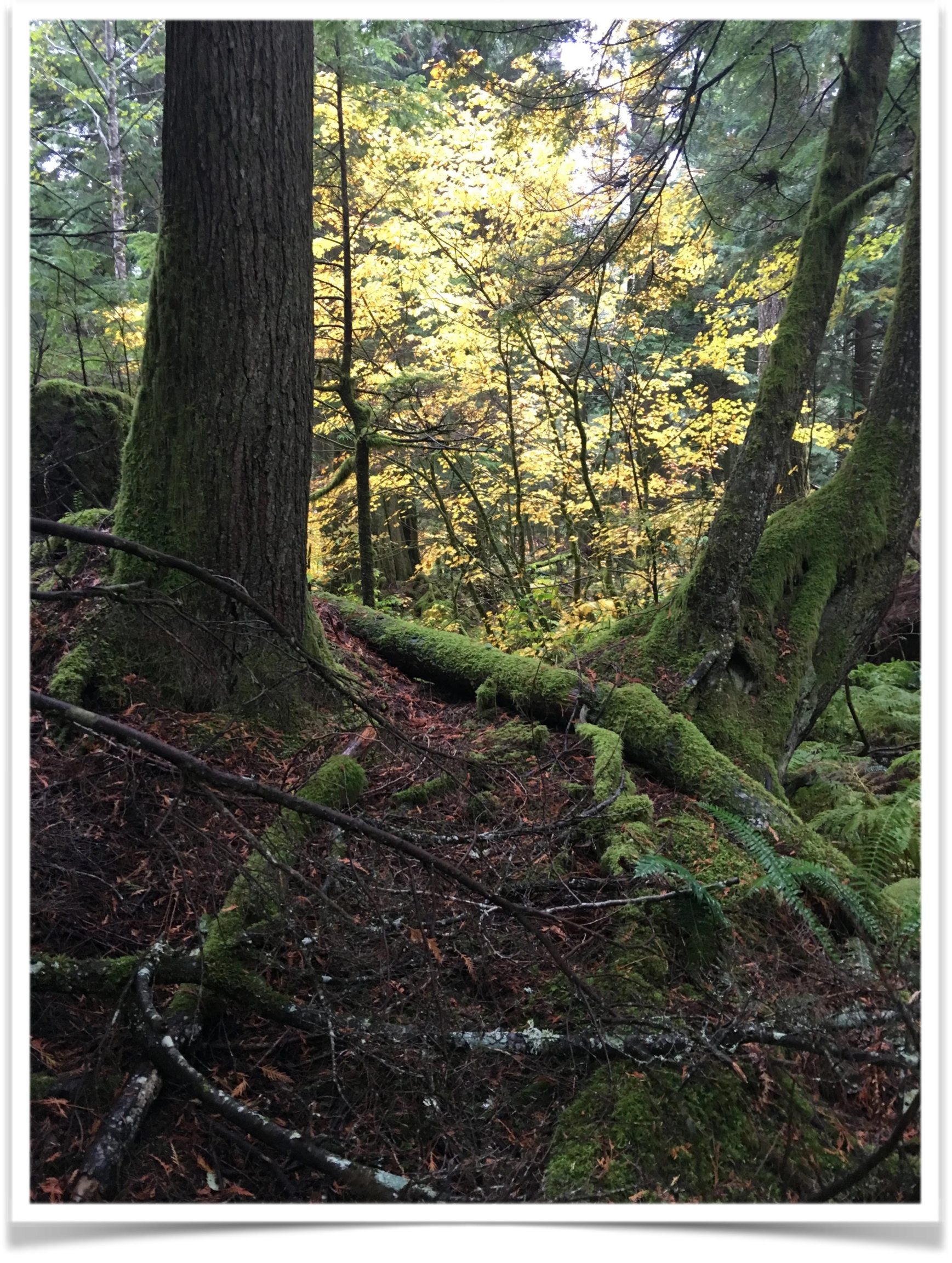
Twin Peaks was never really about famous landmarks. It was about the feeling that something unsettling might exist beneath the surface of ordinary life.
Hidden away in the Snoqualmie Valley, Ronette's Bridge still carries a little of that feeling.
Even after all these years, there is something about the place that remains difficult to explain.
Maybe it's the isolation. Maybe it's the years of memories attached to the bridge.
Or maybe some places never completely let go of what happened there.
Whatever the reason, Ronette's Bridge still feels less like a tourist attraction and more like a secret quietly waiting in the woods.
What Fans Notice When They Visit
What surprised me most about visiting Ronette's Bridge wasn't how different it looked from the series.
It was how familiar it felt.
After seeing the bridge so many times over the years, I almost expected reality to break the illusion somehow. Instead, it was the opposite.
The weathered wood, the tracks disappearing into the trees, and the surrounding forest all felt instantly recognizable. It was one of those rare moments where the real place and the memory of the place seemed to overlap.
And perhaps that's what surprised me most.
So many famous locations end up feeling smaller, busier, or simply different than the versions we've carried around in our heads. Ronette's Bridge somehow avoided that.
If anything, the experience felt strangely authentic.
The bridge wasn't larger than I expected. It wasn't more dramatic.
It was simply familiar.
I think that's one reason so many Twin Peaks fans eventually make the journey to the Snoqualmie Valley. They're not searching for a spectacle.
They're searching for a connection.
And in some small way, I think they find it.
Of course, almost everyone stops to take a few photographs before leaving. But I suspect most visitors carry something else away with them.
Not just pictures.
A memory.
Because even after all these years, the bridge still carries a shadow of the story that made it famous.
Why It Remains One of the Most Photographed Locations
For a relatively simple railroad bridge, Ronette's Bridge has had a remarkable impact on generations of Twin Peaks fans.
Part of that is certainly its connection to the series, but I think the bridge represents something larger than a filming location.
Places carry memories.
That's one reason fans continue making the journey to the Snoqualmie Valley decades after the series first aired. They're not simply visiting locations where scenes were filmed.
In many ways, they're revisiting places that became woven into the story and, over time, into their own memories as well.
Maybe that's why nearly every visit includes a few photographs.
Not because the bridge is especially grand or because it offers spectacular views.
Most people aren't coming here for that.
They're coming because some places matter.
More than thirty years later, Ronette's Bridge still has the ability to stop people in their tracks.
Not because it has changed.
But because it hasn't.
In an age when so much around us seems temporary, there is something strangely comforting about returning to a place that remains familiar.
And perhaps that's why Ronette's Bridge remains one of the most unforgettable Twin Peaks filming locations in the Snoqualmie Valley.
Not because it's famous.
Because it means something.
A Place That Hasn’t Lost Its Mystery
There are bigger Twin Peaks filming locations. There are certainly more famous landmarks in Washington.
But Ronette's Bridge has a way of staying with you.
More than thirty years after the series first aired, fans still make the journey to the Snoqualmie Valley. They still stop to take a few photographs. They still pause for a moment before leaving.
And they still walk away with the feeling that they've experienced something more than just a filming location.
For fans exploring the valley, whether on their own or with Twin Peaks Tour, Ronette's Bridge remains one of those places that leaves a lasting impression.
Not because it's grand or dramatic, but because it still feels authentic.
Thinking back on my visit, what I remember most isn't a particular scene or even a specific photograph.
It's the feeling.
A feeling that's difficult to explain and even harder to forget.
Maybe that's because some places never completely let go of their stories.
And neither do we.
