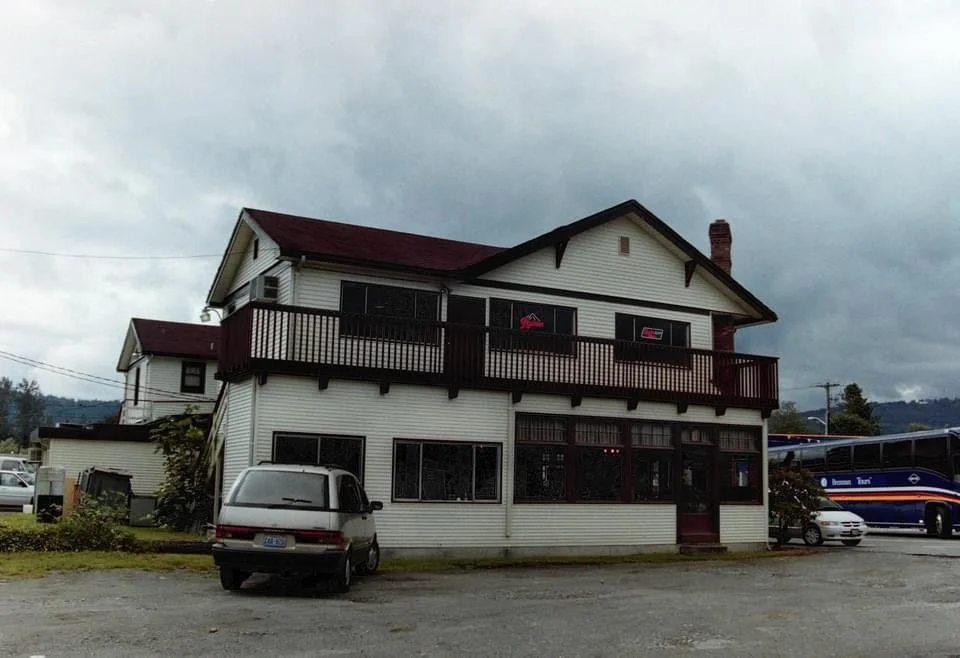
The Roadhouse always felt different to me.
Long before I ever visited the Twin Peaks Roadhouse, I already knew the atmosphere. The music. The glow of the lights. The conversations happening in the background. The feeling that no matter what had happened during the day, sooner or later everyone in town would find their way there.
That's probably one reason the Roadhouse, also known to many fans as the Bang Bang Bar, has remained one of the most memorable Twin Peaks filming locations.
For me, it was never just a bar.
It felt like the place where Twin Peaks itself came alive after dark.
Friendships were tested there. Hearts were broken there. Music filled the room while stories crossed paths beneath the lights. By the time the series returned twenty-five years later, it was difficult to imagine Twin Peaks without it.
Decades after the show first aired, that's still what comes to mind when I think about the Roadhouse.
Not a particular scene.
Not even a specific song.
Just the atmosphere.
And the feeling that the music never really stopped.
The Living Room of Twin Peaks
What has always stood out to me about the Roadhouse is that it never really belonged to one character.
Known to many fans as the Bang Bang Bar, the Roadhouse felt like a place that existed long before the cameras arrived. People drifted in and out. Conversations started and ended. Relationships
began there. Others came apart beneath the lights.
Some nights brought celebration. Others brought heartbreak. There were arguments, reunions, slow dances, and quiet conversations taking place while music played in the background.
Norma and Ed. Bobby and Shelly. James and Donna. Audrey Horne. Ben Horne.
Everybody seemed to leave a piece of themselves there.
Somehow, all those stories became part of the place itself.
That's what has always made the Roadhouse feel different to me.
It wasn't defined by a single scene or even a particular story.
In many ways, the Roadhouse became the living room of Twin Peaks.
Not because mysteries unfolded there.
But because life did.
Music Became Part of the Story
One of the things I've always loved about the Roadhouse is that the music never felt like background noise.
It felt like part of the story.
Long before The Return introduced performances from Chromatics, Nine Inch Nails, and dozens of other artists, the Twin Peaks Roadhouse had already become inseparable from its music. Julee Cruise standing beneath the lights while couples slow danced and conversations drifted quietly through the room helped give Twin Peaks its unmistakable mood.
That's probably one reason so many fans remember the Roadhouse in such a personal way.
People remember songs.
They remember performances.
They remember moments that had nothing to do with solving mysteries.
By the time The Return arrived twenty-five years later, music had become even more important. Nearly every episode ended with a performance inside the Bang Bang Bar, giving the Roadhouse an entirely different role in the series.
The Roadhouse wasn't just where stories happened.
Sometimes, the music was the story.
Life Beyond the Mystery
For all the strange events and mysteries surrounding Twin Peaks, life never really stopped at the Roadhouse.
Bobby and Shelly still argued. James and Donna still danced. Audrey Horne still turned heads. Friends met for drinks. Couples fell in love. Others drifted apart.
That's what made the Roadhouse feel so real.
Life continued.
Even when the world around Twin Peaks seemed to be coming apart, people still found reasons to laugh, fall in love, argue, and move forward.
By the time The Return arrived, that feeling had only grown stronger. New faces appeared. Conversations drifted in and out. Stories overlapped in unexpected ways.
Maybe that's part of the magic.
Not everything in Twin Peaks revolved around the mystery.
Sometimes, life simply went on.
When The Illusion Holds
One of the things that surprised me most when I first visited the Twin Peaks Roadhouse was how little reality disrupted the memories I had built over the years.
After seeing the Roadhouse so many times throughout the series, I almost expected the illusion to break somehow.
Instead, the opposite happened.
The lights. The stage. The warmth of the room. Everything felt strangely familiar. It was one of those rare places where the real location and the version that existed in my mind seemed to overlap.
And I have a feeling I'm not alone in that.
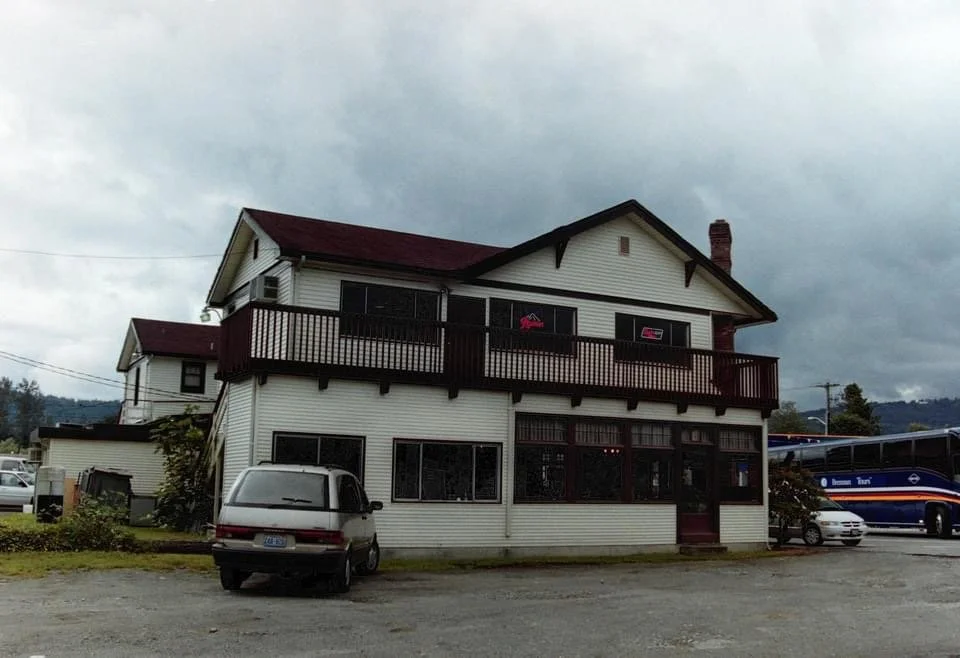
Many fans are surprised to learn that the Roadhouse we remember wasn't created from a single location. Different buildings helped bring the Bang Bang Bar to life over the years, including Elk's Point #9 Bar, which remains one of the most popular stops for fans exploring Twin Peaks filming locations. Even so, all those pieces blended together into something that felt completely natural.
Maybe that's because the Roadhouse was never really about architecture.
It was about the feeling.
That's one reason so many people eventually make the journey to see it for themselves.
They're not searching for a spectacle.
They're searching for something familiar.
And more often than not, I think they find it.
The Roadhouse Grew Older Too
One of the things I appreciate most about the Roadhouse is how it seemed to grow older along with the series itself.
During the original run, it felt familiar. People stopped in after work. They celebrated. They danced. They fell in love. In many ways, the Roadhouse reflected the rhythms of everyday life in Twin Peaks.
By the time The Return arrived twenty-five years later, something had shifted.
The Roadhouse was still there, but it felt different.
Stranger.
More dreamlike.
Musical performances closed nearly every episode. Conversations drifted in and out. New faces appeared without explanation. Sometimes entire scenes seemed disconnected from everything happening elsewhere in the story.
Twin Peaks had changed.
And the Roadhouse changed with it.
But what never disappeared was the feeling that this was where life in Twin Peaks eventually circled back.
In a way, the Roadhouse grew older along with the rest of us.
A Place Where Twin Peaks Still Lives
Perhaps that's because some places never stop feeling real.
Thinking back on my own visit, what I remember most isn't a particular episode.
It isn't even a specific song.
It's the atmosphere.
The lights.
The music.
The feeling that, sooner or later, everyone in Twin Peaks would find their way there.
More than thirty years later, it still feels like the town is waiting just inside the door.
